What is Dysgraphia?
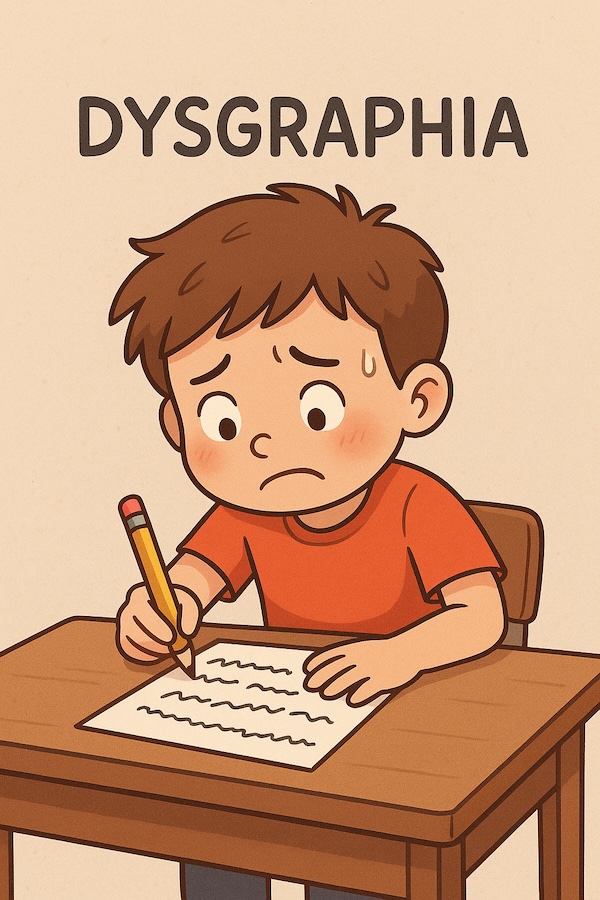
Dysgraphia is categorised as a specific learning difference in written expression. It is a complex condition that affects a person's ability to write clearly and comfortably.
Dysgraphia is a difference in written expression. It affects the brain processes involved in turning thoughts into written symbols.
For some children, this shows up mainly in handwriting mechanics (spacing, letter formation, speed, fatigue).
For others, it also affects spelling, sentence structure, grammar, or organising ideas on paper, even if their thinking and verbal expression are strong.
Importantly, dysgraphia does not mean a lack of intelligence or creativity. Many students with dysgraphia have rich ideas but need alternative ways to communicate (typing, voice-to-text, graphic organisers, etc.).
So while handwriting is often part of it, dysgraphia is really about how the brain connects language, motor skills, and written communication.
Many people with dysgraphia do not have an intellectual challenge but as with all conditions, challenges might be co-occurring. Dysgraphia is a neurological difference.